
Easy Startup Guide for Aspiring Digital Entrepreneurs
Now that you have decided to start your online business, you are probably thinking about how and where to start, as well as the costs of doing so. For you, money may be tight, even if you have a 9 to 5 job. And so, what you want to do is earn, not to spend money.
Fortunately, the Internet makes it relatively easy for us to start a business with little to no money. However, with the many options available, knowing where to start can be somewhat overwhelming, and even confusing.
If you are one of those persons, this brief guide was created especially for you. Even if you have no prior experience, this guide will take you through the steps of launching your first digital business – moving you towards fulfilling your goal of becoming a truly successful digital entrepreneur.
Step 1: Find the Right Business Model
Decide on the type of digital business that is the most suitable for your particular interests, skills, and goals. Of course, there are many options, but in this case, we are looking at some of the more beginner-friendly ones. These include:
• Blogging & Content Creation: As a blogger or content creator you can earn money through ads, sponsorships, affiliate marketing, and so on.
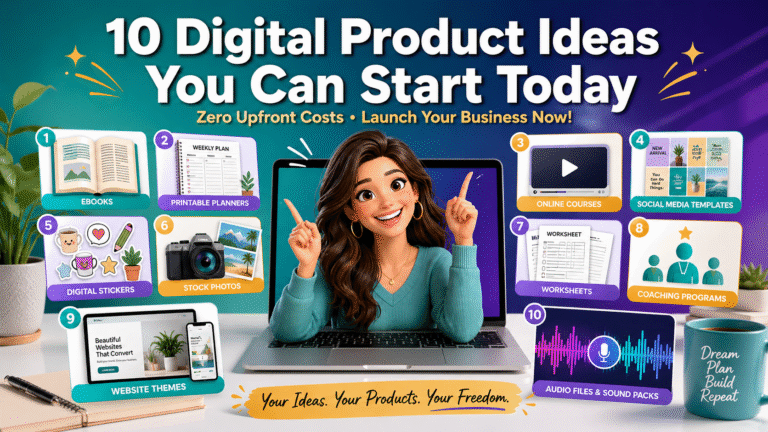
• E-commerce & Print-on-Demand: Using an e-commerce or a print-on-demand business model, you can sell digital products (eBooks, templates) or physical goods without handling any inventory.
• Freelancing: As a freelancer, you offer services such as writing, graphic design, social media management, and so on, to clients.
• Affiliate Marketing: With affiliate marketing you promote other companies products and earn a commission on each sale.
• Online Courses & Coaching: Using the platforms available online, such as Udemy for example, you can teach a particular skill and sell it as a course or coaching package.
• YouTube & Podcasting: If you choose to set up a YouTube channel or a podcast, your content can be monetized through ads, sponsorships, memberships, and so on.
Reminder: Choose a business model that aligns with your skills and interests. It is easier to build a business for the long-term by doing something that you enjoy.
Step 2: Profitable Niche
Basically, a niche is a specific area of focus for your business. Instead of targeting a broad audience, you will focus on a smaller, dedicated group or sub-niche.
Examples of niche ideas include:
• AI tools for small businesses
• Budget travel for students
• Fitness for busy professionals
• Mental health for entrepreneurs
• Minimalist home décor
Reminder: Consider a niche that people are actively searching for and would be willing to spend their money.
Step 3: Domain and Website
• You can obtain a domain and host your website with one of the hosting companies, such as for example, Hostgator, Bluehost, Hostinger which I am currently using, and many others.
• Domains names can be obtained from GoDaddy, NameCheap, etc. Choose the one that you’re most comfortable with.
Step 4: Social Media Profile
Choose one or two social media platforms where you can target your audience. For example, depending on your preferences, you could use:
• Instagram or Pinterest (for visual content)
• YouTube or TikTok (for video-based businesses)
• LinkedIn or Bluesky (for business professionals)
Reminder: Focus on just one platform at first to avoid burnout.
Step 5: Create and Sell Your First Product (or Service)
The business model that you eventually choose will determine the product or service that can be used to monetize your startup business. Here are some examples of the things you can do to make money online:
• Sell an EBook or digital guide on platforms such as Gumroad, Payhip, or Etsy
.
• Offer freelance services on platforms such as Fiverr or Upwork.
• Create a Print-on-Demand store with Printify, etc.
• Launch an online course using Teachable.
• Start an affiliate blog with Amazon Associates.
Reminder: Start with one offer and expand as you grow.
Step 6: Market Your Business for Free
At this stage, you don’t necessarily need paid ads to get your first customers. Here are some ways to promote your business organically:
• Social Media Marketing: Share tips and useful information with your audience.
• Blogging: Write SEO-optimized blog posts that can bring in organic traffic.
• YouTube and TikTok: Create videos that answer common questions in your niche.
• Email List: Offer a freebie (eBook, checklist) in exchange for email addresses.
• Engage in Online Communities: Answer questions on Reddit, Facebook Groups, Quora, etc.
Reminder: Consistency is key so post valuable content regularly to grow your audience.
Step 7: Scale and Automate Your Business
Once you start getting subscribers and have more things to do, it may be time to automate and scale the business. This can be done by, for example:
• Using AI tools such as ChatGPT, Claude AI, Gemini, and others for content creation.
• Automating your social media presence with tools such as Later or Buffer.
• Hiring freelancers on platforms such as Upwork or Fiverr to handle repetitive tasks.
• Creating multiple income streams such as courses, affiliate marketing, memberships, etc.)
Final Reminder: Start small, stay consistent, and keep learning.
For more articles on digital entrepreneurship visit: www.bloganeurs.com